
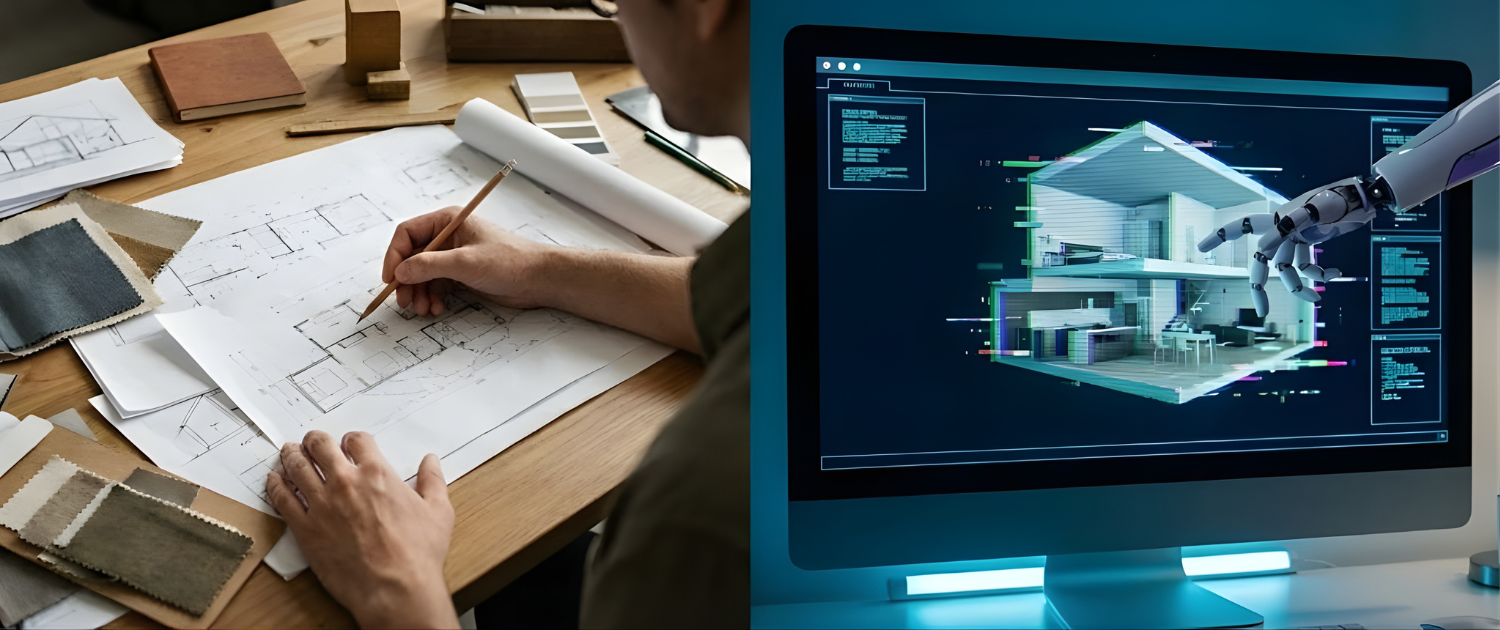
Technology is changing everything including how we approach interior design trends and home styling. From mood board generators to fully automated layout tools, AI interior design platforms promise instant transformations with just a few clicks.
But when it comes to designing real homes for real families, we’re not handing over the keys just yet.
Here’s why.
AI Interior Design: Impressive, But Not Personal
AI tools can generate stunning visuals in seconds. They analyze photos, suggest layouts, and recommend color palettes based on current interior design styles.
But there’s one thing they can’t truly understand:
How you live.
A living room isn’t just a layout.
A bedroom isn’t just a style board.
Homes are built around routines, emotions, habits, and human connection things algorithms simply can’t fully interpret.
Interior Design Trends Change But Lifestyle Matters More
Yes, AI is excellent at scanning global interior design trends. It can tell you what colors are popular or what furniture styles are trending this year.
But trends alone don’t create timeless homes.
A beautiful space must consider:
- Daily routines
- Family size and dynamics
- Storage needs
- Natural light patterns
- Comfort preferences
Design isn’t about what’s trending. It’s about what works for your life.
Living Room Design Requires Human Judgment
Your living room design affects how guests experience your home and how your family relaxes every day.
AI might:
- Suggest symmetrical layouts
- Recommend trending furniture
- Apply popular color palettes
But it won’t:
- Notice awkward architectural quirks
- Understand how you entertain
- Account for traffic flow based on your habits
A well-designed living room requires thoughtful space planning, something that benefits from real-world experience.
Bedroom Interior Design Is Deeply Personal
When it comes to bedroom interior design, comfort and emotional connection matter most.
AI may create a visually appealing master suite, but it cannot truly understand:
- Your sleep preferences
- Lighting sensitivity
- Storage frustrations
- Privacy needs
A bedroom should feel like a retreat and that level of personalization requires human intuition.
The Limitations of AI in Real Homes
AI interior design tools typically rely on:
- Preloaded design templates
- Trend databases
- Pattern recognition
What they don’t factor in:
- Budget flexibility in real projects
- Material availability
- Contractor coordination
- Structural limitations
- Local climate considerations
Designing a real home involves problem-solving, communication, and adaptability, not just image generation.
The Future: AI as a Tool, Not the Designer
We’re not against AI. In fact, it can be helpful for:
- Visual inspiration
- Early concept exploration
- Understanding popular interior design styles
- Speeding up initial idea generation
But AI should support creativity, not replace professional expertise.
Interior design is about human experience, not just aesthetics.
Why Professional Interior Design Still Matters
Experienced designers bring:
- Practical knowledge
- On-site evaluation
- Personalized space planning
- Material expertise
- Real-world problem solving
The best homes are not designed by software alone. They’re created through collaboration, creativity, and understanding how people truly live.
Final Thoughts
AI interior design tools are impressive and evolving rapidly. But when it comes to designing spaces where families live, gather, and grow, human creativity and experience still matter most.
Interior design isn’t just about generating beautiful images, it’s about creating homes that feel right.
And that’s something no algorithm can fully replicate.